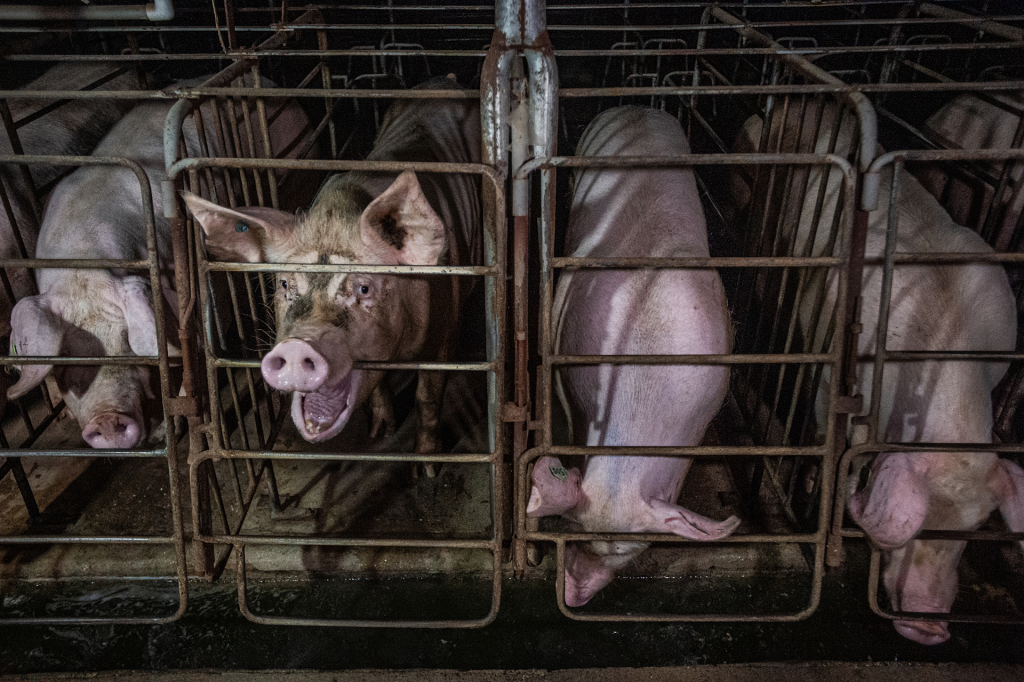
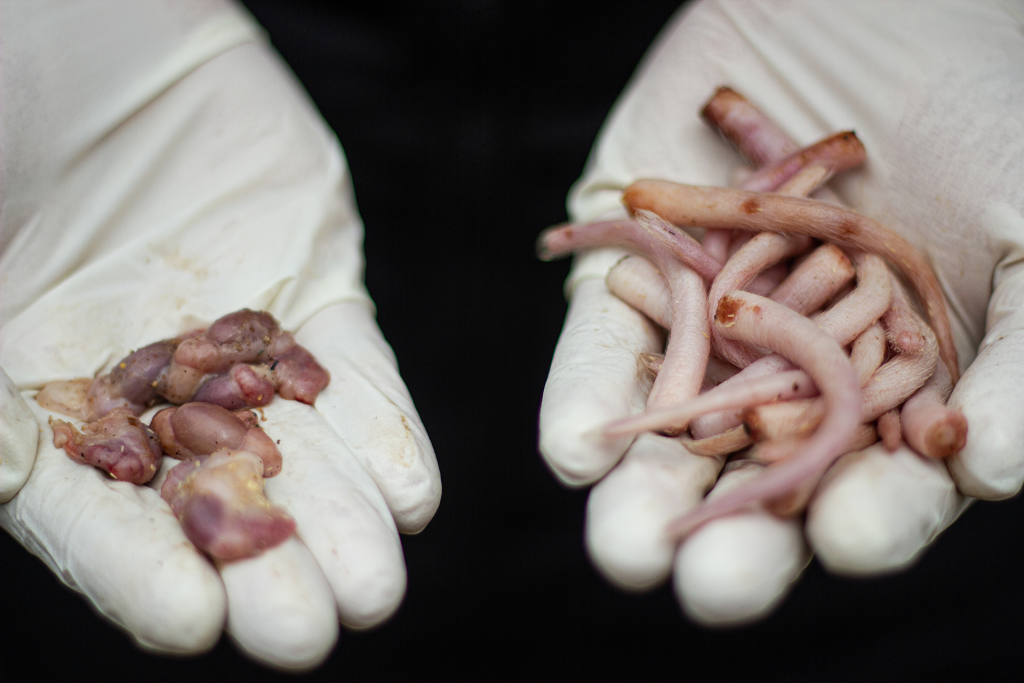
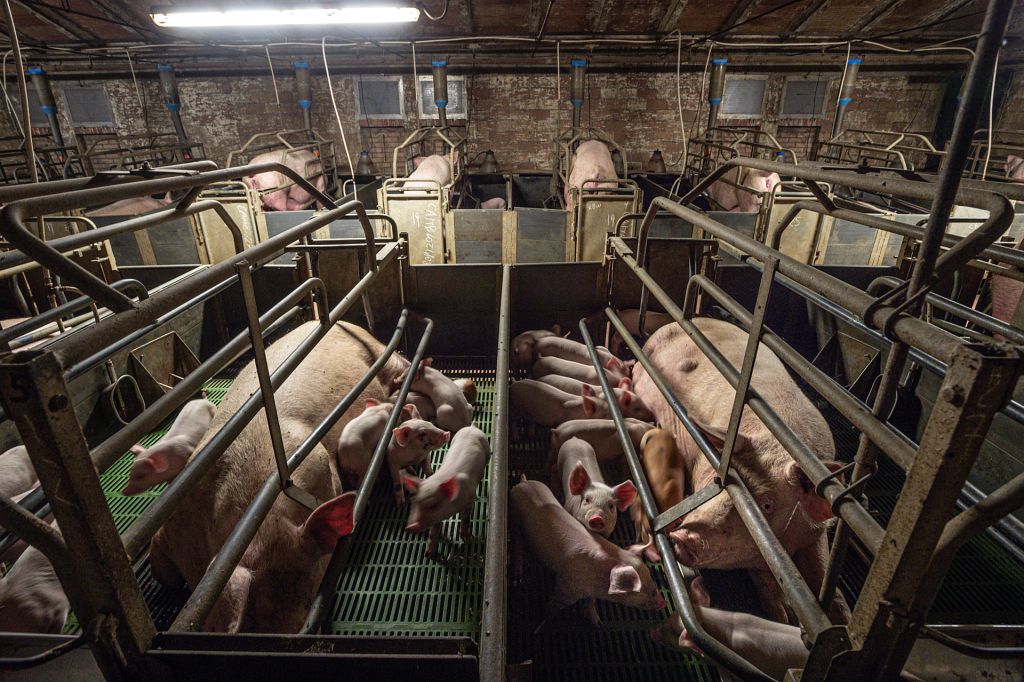
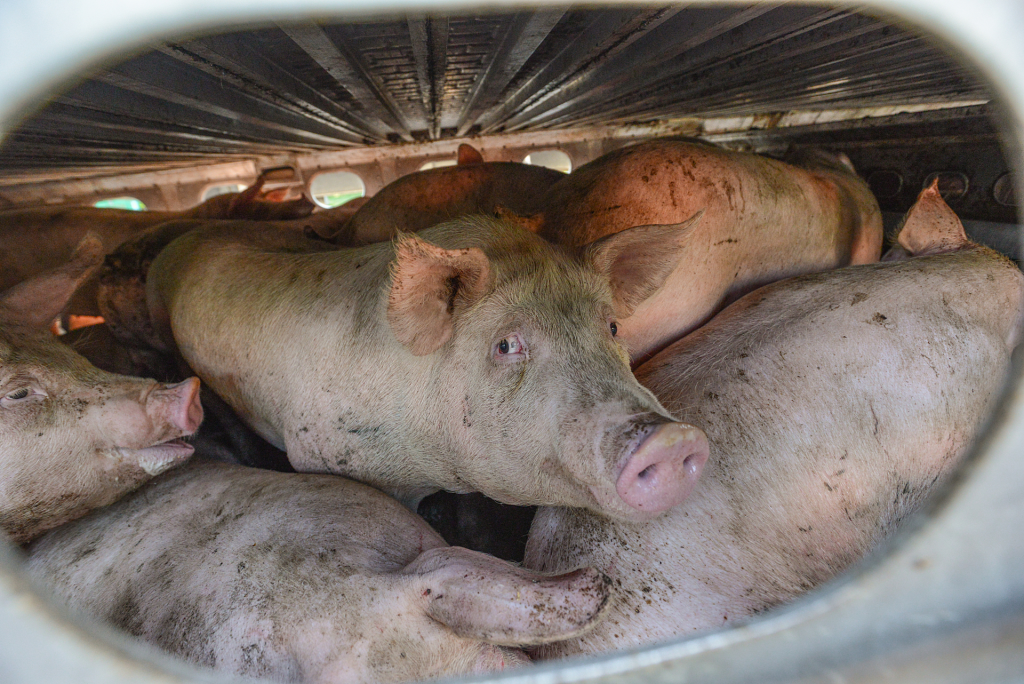
Pigs are a highly sentient, social and intelligent species, yet most are raised in intensive systems that severely restrict their movement and natural behaviours. The caging of breeding sows, the mutilation of piglets, and inhumane slaughter are widespread practices. We highlight the systemic failures of modern intensive pig production and the need for fundamental change across the world.
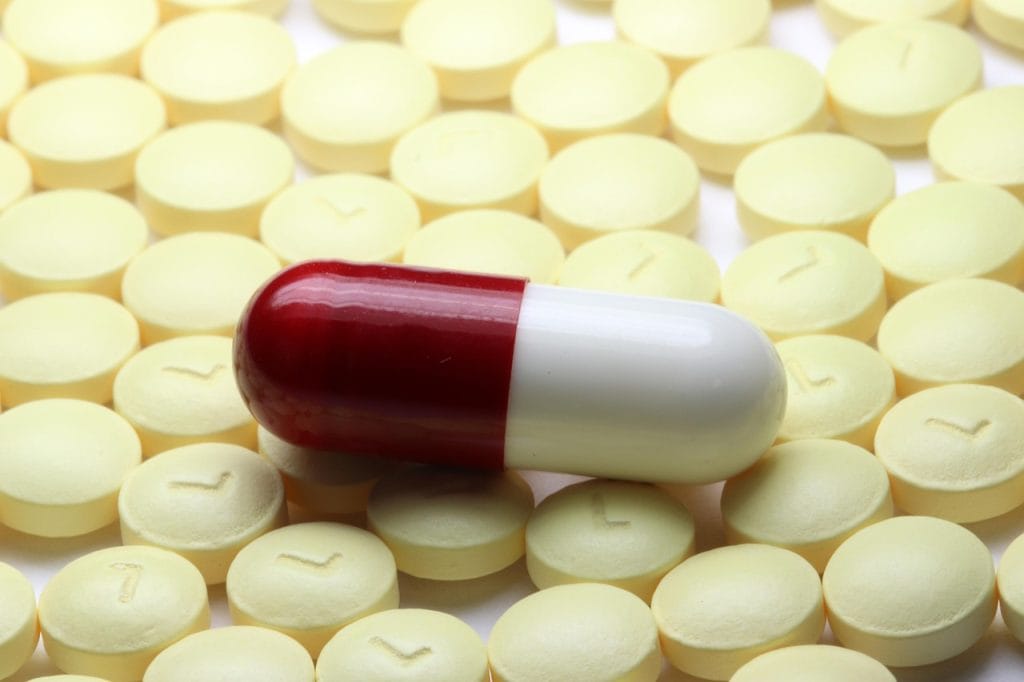
Industrial pig production contributes to major public health risks, including antimicrobial resistance, zoonotic disease, and diet-related illness. Consumption of processed pork, such as bacon and ham, is classified by the WHO as a Group 1 carcinogen and is associated with colorectal cancer. We raise awareness of these risks to support a shift towards diets and food systems that reduce reliance on pork.
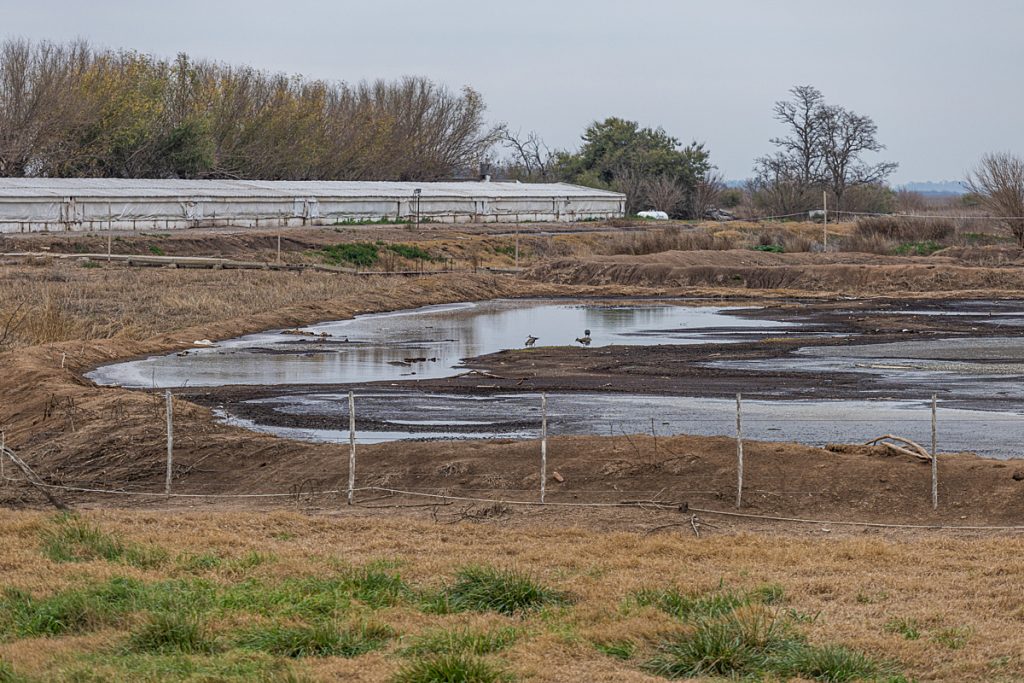
Industrial pig production contributes to climate heating, deforestation, and biodiversity loss. At a local level, it is associated with air and water pollution, including contamination from pig slurry and waste. These impacts underline the environmental costs of modern intensive systems and their incompatibility with sustainable food production.
What We Do
Pigs Protection raises awareness of how industrial farming systems fail to meet the welfare needs of pigs across the world. We highlight the public health and environmental impacts of pig production, and the conclusions of independent scientific bodies such as the EAT-Lancet Commission, which calls for a 50% reduction in red and processed meat consumption. We expose harmful practices, challenge misinformation, and support a transition to diets and food systems that are more sustainable for public health and the environment, while respecting the sentience, social nature, and intelligence of pigs.
Modern pig farming systems prioritise economic efficiency over welfare, leading to widespread caged confinement, routine mutilations, and environments that fail to meet pigs’ basic behavioural needs. These systems also contribute to public health risks and environmental degradation, raising serious concerns about sustainability and ethics. Explore the key issues below to understand the impacts we address.